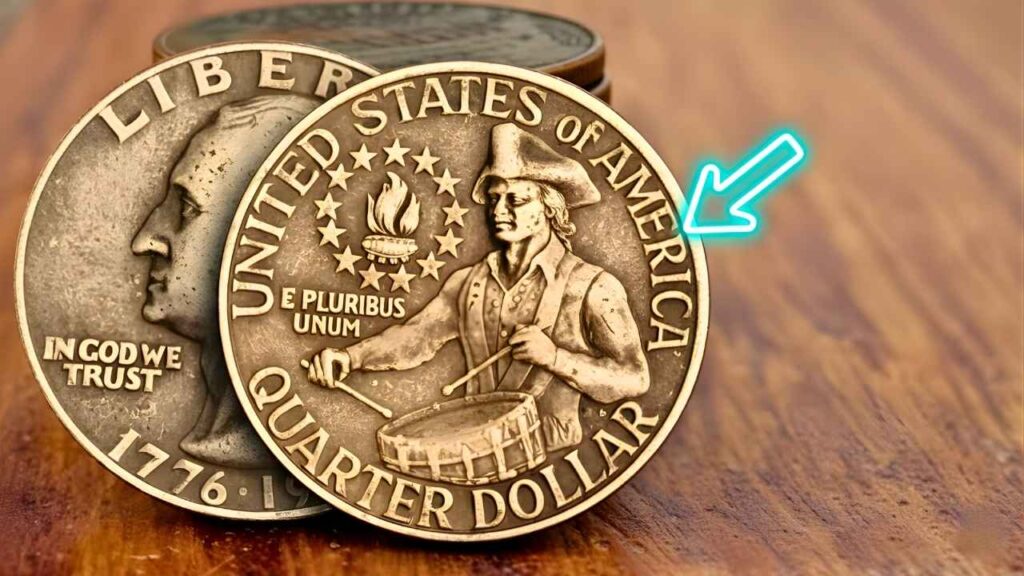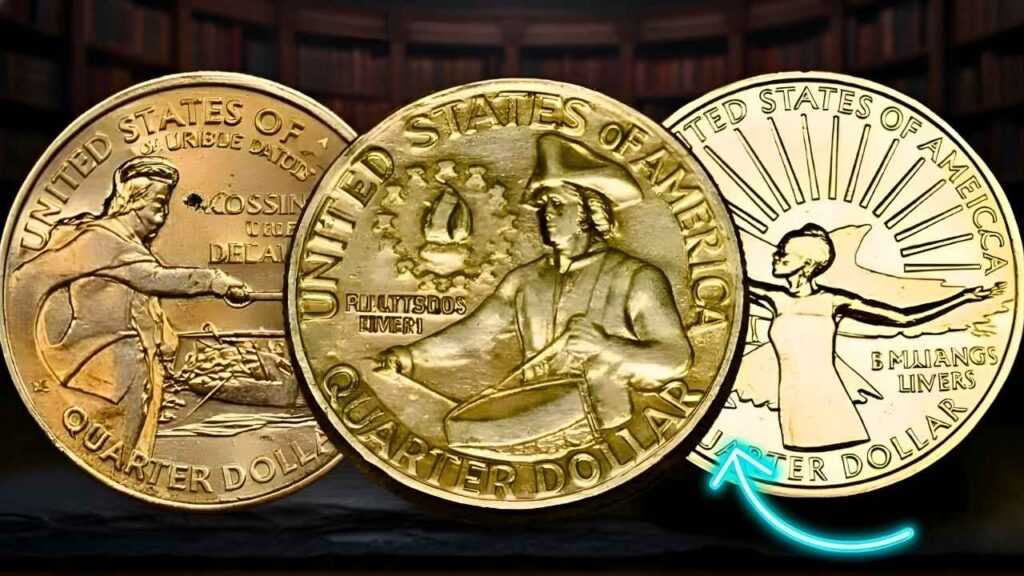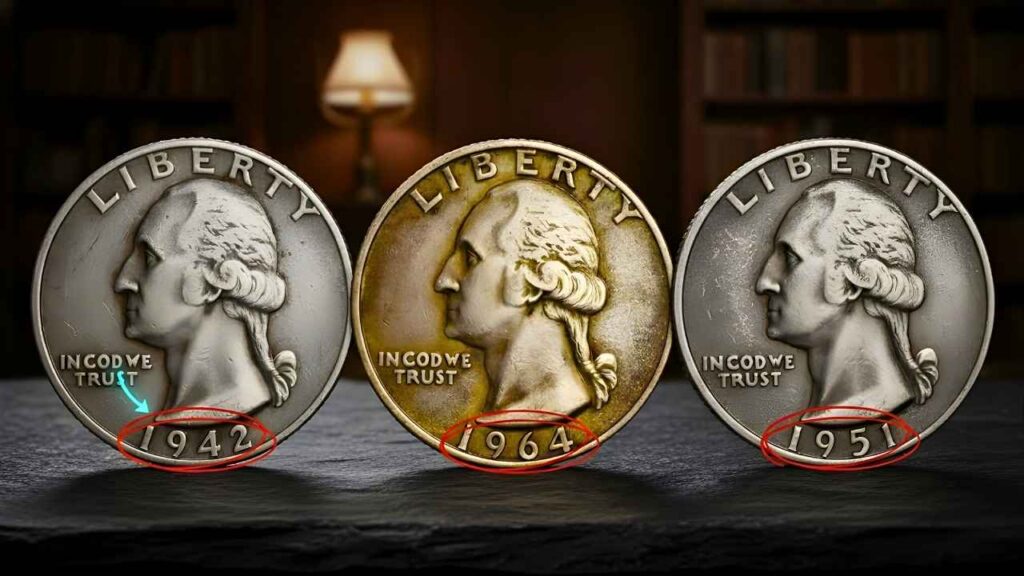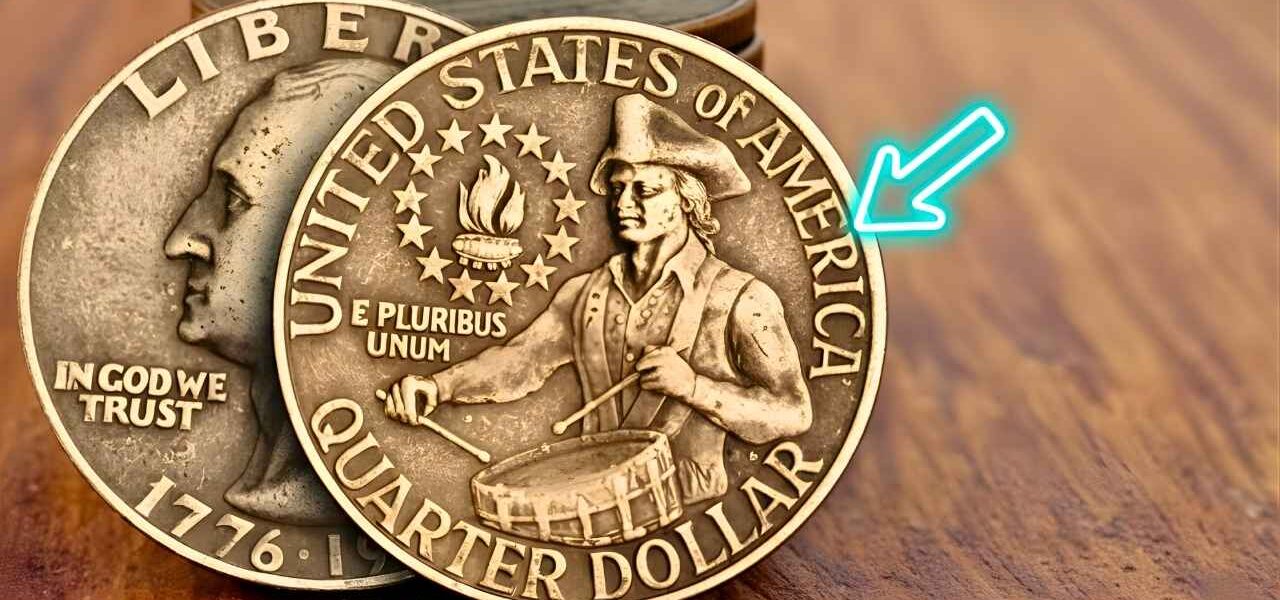
Rare 1776–1976 Bicentennial Liberty Quarter Value Guide: The 1776–1976 Bicentennial Liberty Quarter is one of the most recognizable coins in American history. Released to celebrate the 200th anniversary of the United States, it features a colonial drummer on the reverse and the dual date 1776 1976 on the obverse. Millions were minted, making them common in circulation, but certain rare varieties and error coins have become highly valuable. For collectors, this coin represents both a piece of history and a potential treasure worth thousands or even millions.
The Historical Background of the Bicentennial Quarter
In the mid 1970s, the United States prepared to celebrate its bicentennial. The U.S. Mint launched a special coinage program that included redesigned quarters, half dollars, and dollars. The quarter was chosen to feature a colonial drummer, designed by Jack L. Ahr, symbolizing the revolutionary spirit. This design replaced the traditional eagle and gave the coin a unique identity. The Bicentennial quarter was minted in both copper nickel and silver compositions, with special proof versions created for collectors.
Why Some Bicentennial Quarters Are Valuable
Most Bicentennial quarters are worth only their face value of 25 cents. However, certain rare varieties stand out due to unique minting circumstances. These rare coins are the ones that can reach extraordinary values. The reasons include:
- Low mintage numbers for certain silver issues.
- Minting errors such as doubled dies, off center strikes, or unusual planchets.
- Proof coins with mirror like finishes that were produced in limited numbers.
- Condition, with pristine, uncirculated coins commanding far higher prices than worn examples.
When these factors combine, the value of a Bicentennial quarter can skyrocket, making them highly desirable among collectors.
Common Errors Found in Bicentennial Quarters
Error coins are among the most sought after by collectors. Bicentennial quarters are known to have several types of errors, including:
- Doubled die obverse, where the date or lettering appears doubled.
- Off center strikes, where the design is misaligned.
- Coins struck on the wrong planchet, creating unusual compositions.
- Clipped planchets, where a portion of the coin is missing.
These errors are rare and can significantly increase the value of a coin, sometimes reaching thousands of dollars at auction.
The Value of Silver Bicentennial Quarters
One of the most notable varieties is the silver Bicentennial quarter. These coins were struck in 40 percent silver and included in collector sets. They are heavier and shinier than the standard copper nickel versions. While not all silver Bicentennial quarters are worth thousands, rare examples in pristine condition or with unique errors can command extraordinary prices. Collectors often seek these coins as part of complete Bicentennial sets.
Auction Records and Collector Demand
Auction houses have seen remarkable sales of rare Bicentennial quarters. Coins with unique errors or silver compositions have fetched thousands, and in rare cases, millions. The demand is driven by both historical significance and the thrill of owning a piece of American heritage. Collectors are willing to pay high prices for coins that are one of a kind, and the Bicentennial quarter fits this category perfectly when rare varieties are involved.

Identifying Rare Bicentennial Quarters
Collectors often wonder how to identify a valuable Bicentennial quarter. The process requires careful observation and sometimes professional evaluation. Key identification tips include:
- Check the coin’s weight to determine if it is silver.
- Look closely for minting errors such as doubled lettering or unusual marks.
- Examine the finish, as proof coins have mirror like surfaces.
- Inspect the condition, as uncirculated coins are far more valuable.
- Consider professional grading, as services like PCGS or NGC can authenticate and grade coins, providing assurance of rarity and value.
The Myth and Reality of Million Dollar Quarters
Stories of Bicentennial quarters worth millions have captured public imagination. While most quarters are not worth anywhere near that amount, certain rare examples have indeed sold for extraordinary sums. These cases usually involve coins with a combination of rarity, error, and historical significance. It is important to separate myth from reality. The average Bicentennial quarter found in circulation is worth only 25 cents, but the possibility of discovering a rare variety keeps the dream alive for many collectors.
Tips for Collectors and Enthusiasts
For those interested in searching their own coin collections, here are some practical tips:
- Examine coins under good lighting and magnification to spot unusual features.
- Weigh coins to check for silver composition.
- Store coins in protective holders to preserve condition.
- Research auction records to understand current market values.
- Consult professional grading services for authentication.
These steps can help collectors determine whether they have a common coin or a rare treasure.
The Cultural Significance of the Bicentennial Quarter
Beyond its monetary value, the Bicentennial quarter holds deep cultural significance. It represents a moment in American history when the nation celebrated its 200th birthday with pride and unity. The colonial drummer design symbolizes the revolutionary spirit and the enduring fight for freedom. Even for those who are not coin collectors, the Bicentennial quarter serves as a reminder of America’s heritage and the importance of commemorating milestones.
The Thrill of the Hunt
Part of the fascination with the Bicentennial quarter lies in the thrill of the hunt. Collectors and casual enthusiasts alike enjoy searching through old jars of coins, hoping to find a rare variety. The idea that a simple quarter could be worth thousands or even millions adds excitement to the hobby. It is this sense of possibility that keeps the Bicentennial quarter at the forefront of numismatic interest.
Conclusion
The 1776–1976 Bicentennial Liberty Quarter is more than just pocket change. While most are worth only 25 cents, rare varieties with silver composition or minting errors have reached values in the thousands and even millions. Identifying these coins requires careful attention to detail and knowledge of numismatic traits. For collectors, the thrill lies not only in the potential financial reward but also in the connection to history. Whether you are searching through old jars of coins or studying numismatic guides, the Bicentennial quarter remains a fascinating piece of American culture and a symbol of hidden treasure waiting to be discovered