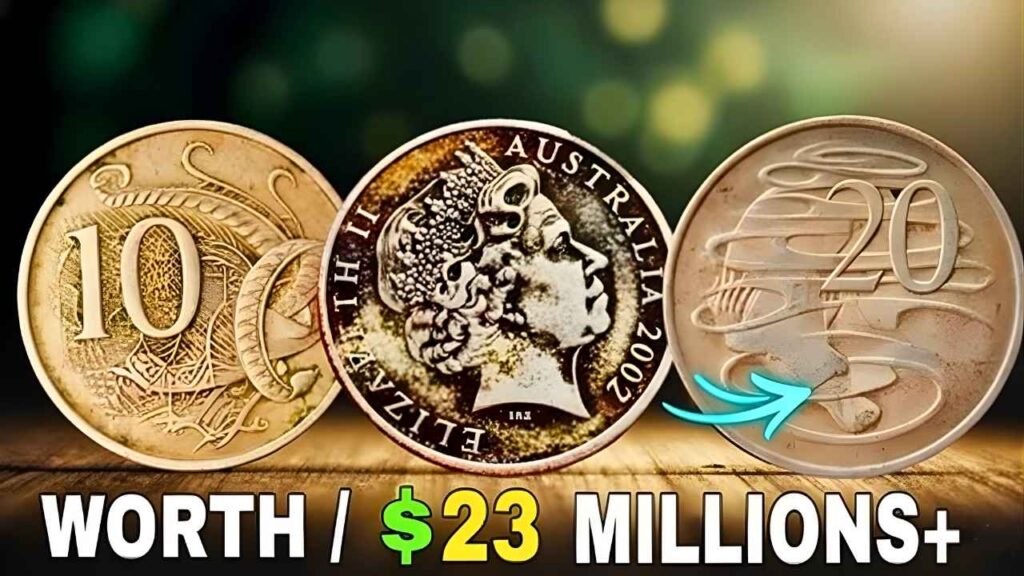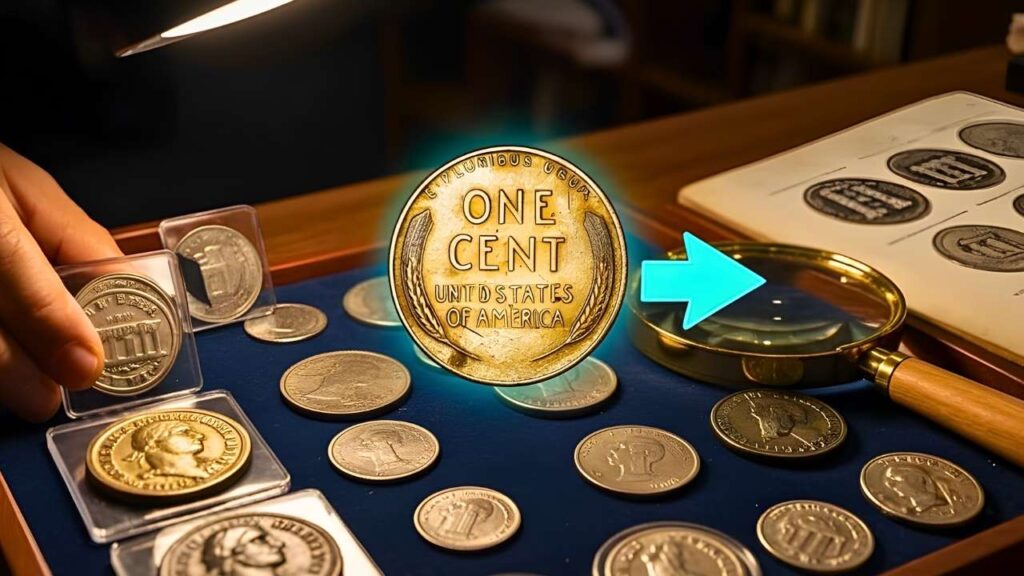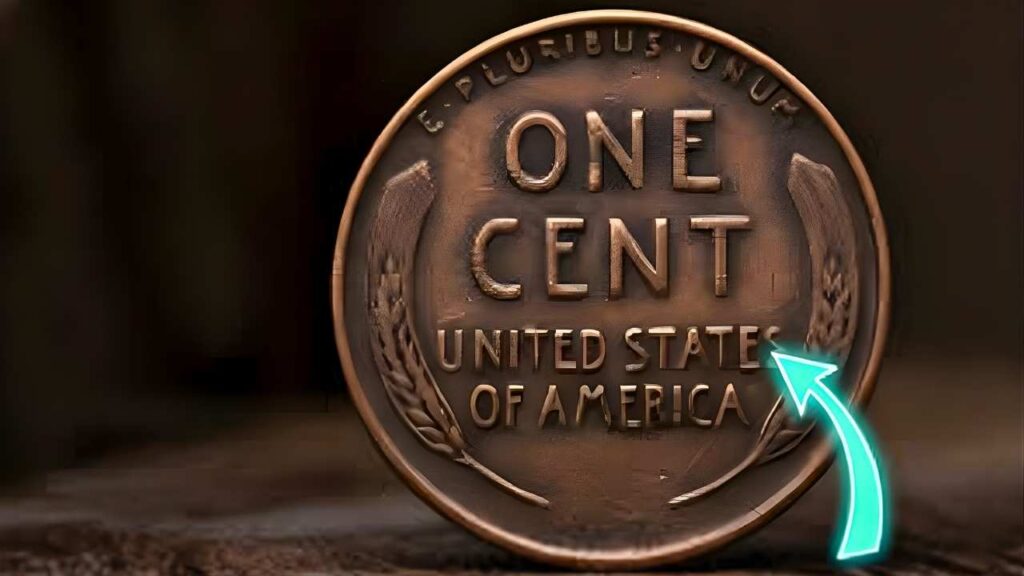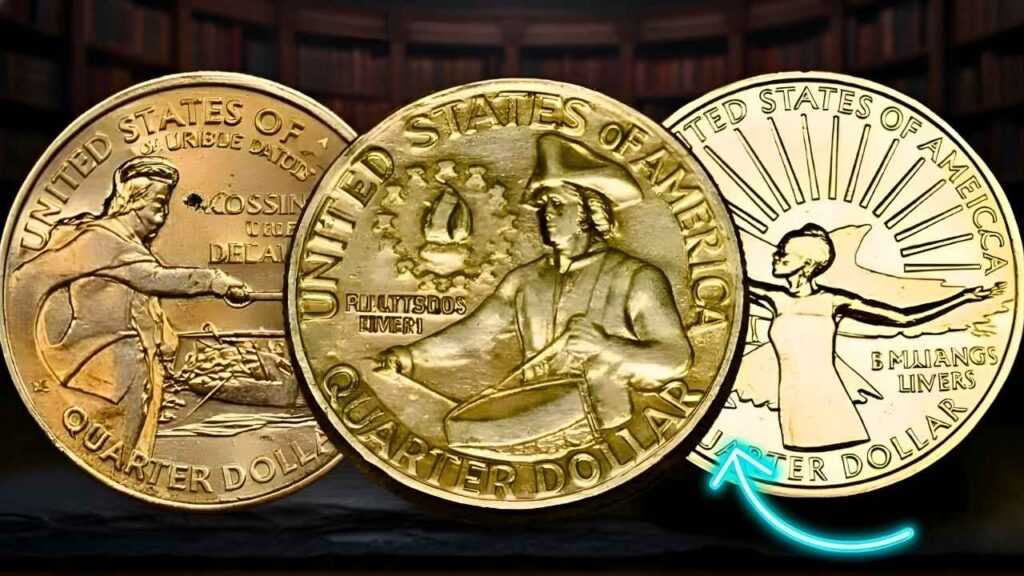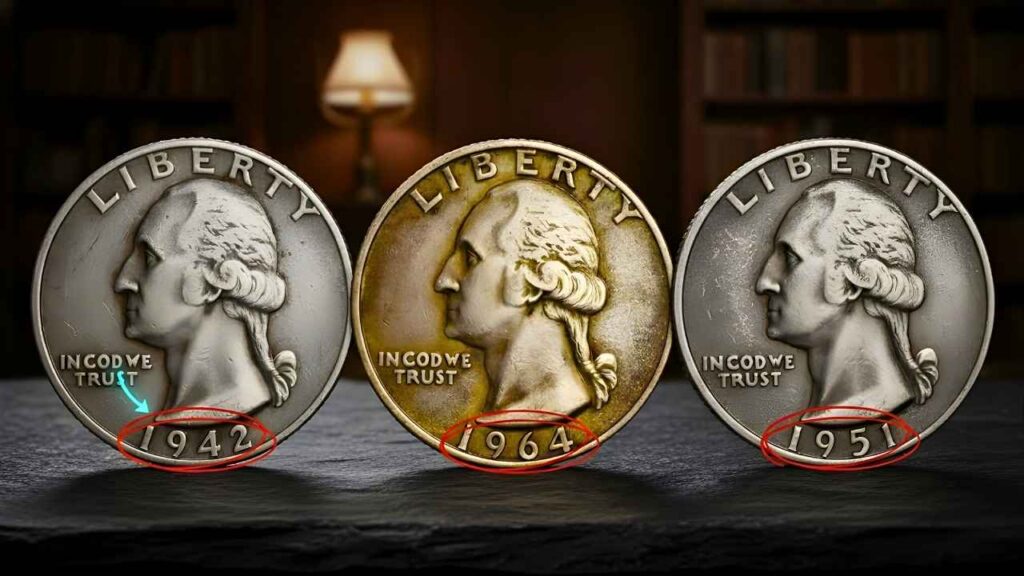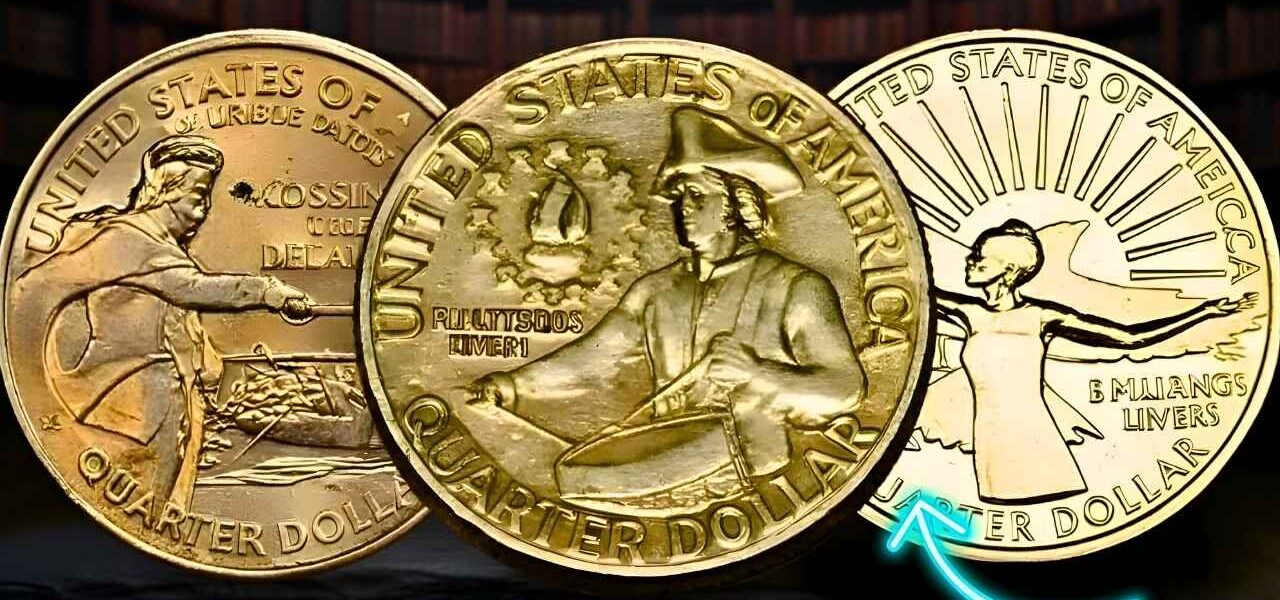
Rare Dimes and Bicentennial Quarters Worth Millions: Most people think of coins as simple pocket change, but hidden among them are treasures worth thousands or even millions. Rare dimes and Bicentennial quarters have become legendary in the world of numismatics, with collectors constantly searching for these elusive pieces. While the average coin is worth only its face value, certain varieties stand out due to unique minting circumstances, historical significance, or errors that make them one of a kind. Discovering one of these coins in your change could be life changing.
The Fascination with Rare Dimes
Dimes have been part of American coinage since the late eighteenth century. Over the years, several rare varieties have emerged, often due to low mintage numbers or minting errors. Collectors prize these coins not only for their monetary value but also for their historical importance. The thrill of finding a rare dime in circulation continues to inspire enthusiasts, making them one of the most sought after denominations in coin collecting.
The Legendary 1894 S Barber Dime
One of the most famous rarities is the 1894 S Barber Dime. Only twenty four were minted, and fewer than ten are known to exist today. This coin has sold for millions at auction, making it one of the most valuable dimes in history. Its rarity stems from the extremely limited production, and its legend has grown over time. Collectors dream of discovering one in an old collection or tucked away in a forgotten drawer.
The 1916 D Mercury Dime
Another highly prized coin is the 1916 D Mercury Dime. With a mintage of just over 260,000, it is one of the rarest issues in the Mercury Dime series. In pristine condition, this coin can be worth tens of thousands of dollars. Its distinctive design featuring Liberty with a winged cap adds to its appeal. Collectors often search rolls of dimes hoping to find this elusive treasure.
The Bicentennial Quarter and Its Rarity
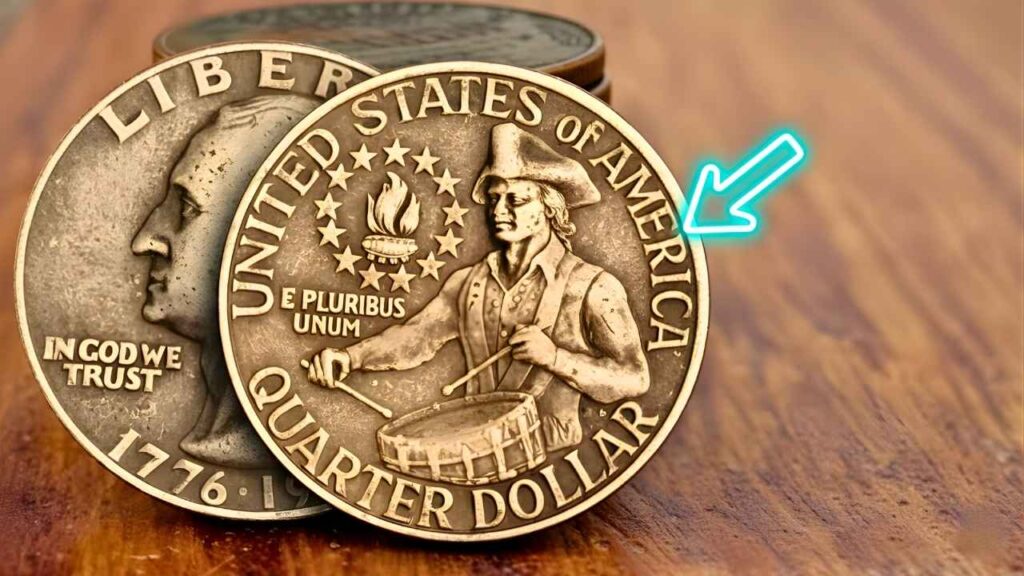
The 1976 Bicentennial Quarter was released to celebrate the 200th anniversary of American independence. Featuring a colonial drummer on the reverse and the dual date 1776 1976, it quickly became one of the most recognizable coins in circulation. While most Bicentennial quarters are common, certain rare varieties have become extremely valuable. These include coins struck in silver, proof issues, and those with minting errors. Some examples have sold for millions, making them a highlight of modern coin collecting.

The 1976 Silver Bicentennial Quarter
Among the Bicentennial quarters, the silver versions are particularly prized. These coins were struck in 40 percent silver and originally included in collector sets. They are heavier and shinier than the standard copper nickel versions. While not all silver Bicentennial quarters are worth millions, rare varieties in pristine condition or with unique errors can command extraordinary prices.
The 2004 D Wisconsin Quarter with Extra Leaf
Although not a Bicentennial coin, the 2004 D Wisconsin Quarter deserves mention for its rarity. Some coins from this issue feature an extra leaf on the corn stalk on the reverse. This minting error created two distinct varieties, known as the extra high leaf and extra low leaf. These coins have sold for thousands of dollars, proving that modern quarters can also hold hidden value.
Five Coins to Look for in Your Change
Collectors and enthusiasts should keep an eye out for these five coins that have been documented as rare and valuable:
- 1894 S Barber Dime, one of the rarest coins in American history.
- 1916 D Mercury Dime, a low mintage treasure worth thousands.
- 1976 Silver Bicentennial Quarter, a collector issue with high value potential.
- 1976 Bicentennial Quarter with minting errors, some examples valued in the millions.
- 2004 D Wisconsin Quarter with extra leaf, a modern rarity worth thousands.
Each of these coins has been recognized by collectors and auction houses as commanding extraordinary values depending on condition and provenance.
Identifying Rare Coins
Collectors often wonder how to identify a valuable coin. The process requires careful observation and sometimes professional evaluation. Key identification tips include:

- Check the date and mint mark, as certain years and locations are much rarer than others.
- Look closely for minting errors such as doubled lettering or unusual marks.
- Examine the coin’s composition, especially for silver issues.
- Inspect the condition, as uncirculated coins are far more valuable.
- Consider professional grading, as services like PCGS or NGC can authenticate and grade coins, providing assurance of rarity and value.
Auction Records and Collector Demand
Auction houses have seen remarkable sales of rare dimes and quarters. The 1894 S Barber Dime has sold for millions, while the 1916 D Mercury Dime has fetched tens of thousands in pristine condition. Bicentennial quarters with unique errors have also reached extraordinary values. The demand is driven by both historical significance and the thrill of owning a piece of American heritage. Collectors are willing to pay high prices for coins that are one of a kind, and these rare varieties fit that category perfectly.
The Myth and Reality of Million Dollar Coins
Stories of coins worth millions have captured public imagination. While most coins are not worth anywhere near that amount, certain rare examples have indeed sold for extraordinary sums. These cases usually involve coins with a combination of rarity, error, and historical significance. It is important to separate myth from reality. The average coin found in circulation is worth only its face value, but the possibility of discovering a rare variety keeps the dream alive for many collectors.
Tips for Collectors and Enthusiasts
For those interested in searching their own coin collections, here are some practical tips:
- Examine coins under good lighting and magnification to spot unusual features.
- Research the key dates and mint marks that are known to be rare.
- Store coins in protective holders to preserve condition.
- Keep an updated guidebook to track values and varieties.
- Consult professional grading services for authentication.
These steps can help collectors determine whether they have a common coin or a rare treasure.
The Cultural Significance of Rare Coins
Beyond their monetary value, rare coins hold deep cultural significance. They represent moments in American history, from the early days of the Barber Dime to the celebration of independence with the Bicentennial Quarter. Each coin tells a story of its time, reflecting the values, challenges, and achievements of the nation. For collectors, owning these coins is not just about financial reward but also about connecting with history.
The Thrill of the Hunt
Part of the fascination with rare coins lies in the thrill of the hunt. Collectors and casual enthusiasts alike enjoy searching through old jars of coins, hoping to find a rare variety. The idea that a simple coin could be worth thousands or even millions adds excitement to the hobby. It is this sense of possibility that keeps rare dimes and Bicentennial quarters at the forefront of numismatic interest.
Conclusion
Rare dimes and Bicentennial quarters are more than just pocket change. While most coins are worth only their face value, rare varieties such as the 1894 S Barber Dime, the 1916 D Mercury Dime, and certain Bicentennial quarters have reached values in the millions. Identifying these coins requires careful attention to detail and knowledge of numismatic traits. For collectors, the thrill lies not only in the potential financial reward but also in the connection to history. Whether you are searching through old jars of coins or studying numismatic guides, these rare coins remain fascinating pieces of American culture and symbols of hidden treasure waiting to be discovered.